
Water on the floor? Talk through the next hour with a crew.

If a pipe burst, a heater failed, or a tub overflowed, the next hour is about safety and getting the water out. Tell us where to reach you. One or more water-damage companies that serve your area may call and text you to talk through what you are seeing.

  • Free to ask, and you are not hiring anyone
  • Talk through extraction, drying, and what to save
  • The call comes from a private crew, not a city office
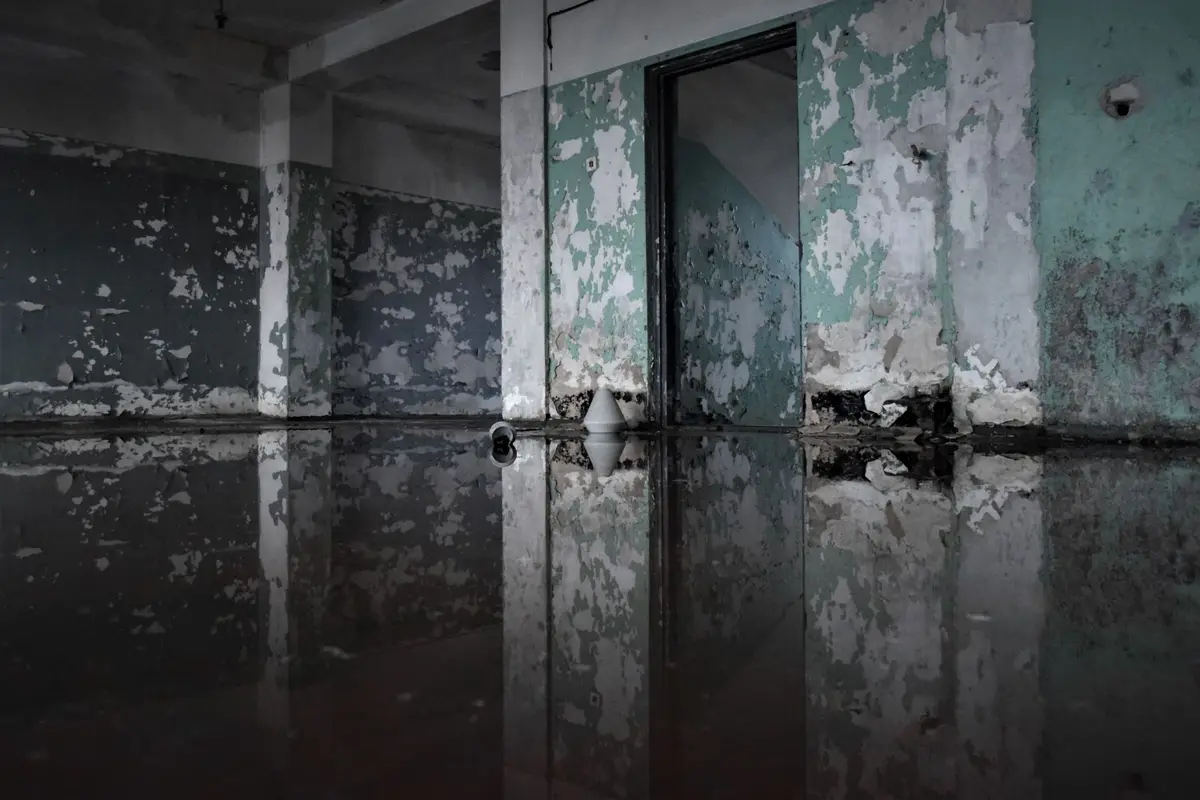
An empty room with peeling paint and standing water covering the floor.

Have a crew call you

Tell us where the house is. Soaked SOS and one or more water-damage companies that serve your area may call and text you to talk through the water you are seeing.

Soaked SOS is an independent guide. Asking for a call does not hire a crew or file an insurance claim.

Start here if any of this is happening

Water in the house is loud in a quiet way. These are the moments a call with a restoration crew is meant for.

Bare feet standing on a wet wooden floor inside a house.
  • You can see standing water

    A burst supply line, a failed water heater, or an overflowing tub can put water on the floor. The EPA says to dry wet areas within 24 to 48 hours.

  • The carpet is wet and the pad underneath feels soft

    Water hides in the pad and the subfloor. A crew can tell you whether the pad can be dried or has to come out.

  • The water came from outside or from a drain

    Flood water and sewage are treated as contaminated. The CDC says to throw away porous items that stayed wet with flood water and cannot be cleaned.

  • You would rather talk to a person than guess

    On a call, you can ask a crew what they would extract first, what they would throw out, and what they need from your insurer.

What you can do, what a crew does, and what insurance does

The three jobs get mixed up on a wet morning. They are separate, and only one of them files a claim.

What you can do

What it is
Stop the water if you can do it from a dry place. Move people and pets out of standing water. Photograph the room before you move things.
What it costs to start
The agency pages we cite do not charge you to follow them. Towels, a wet vac, and a dehumidifier are whatever you already own or can buy.
Worth knowing
The CDC says to cut power only if you can reach the main breaker without stepping in water. If you cannot, call an electrician.
Read the first-hour guide

A restoration crew

What it is
A crew extracts standing water, sets air movers and dehumidifiers, and tells you which wet materials they would remove.
What it costs to start
We do not print a private crew price. HomeAdvisor, updated June 17, 2026, puts the average restoration job at $3,868, with most between $1,383 and $6,369.
Worth knowing
Asking for a call through this site does not hire them. The price, if you hire, is between you and that crew.
How to judge a crew

Your insurer

What it is
A homeowners policy may cover sudden water from a burst pipe. Flood water from outside is usually a separate flood policy.
What it costs to start
The Insurance Information Institute says an HO-3 covers accidental discharge from a plumbing system. Your deductible still applies.
Worth knowing
Call the number on your policy. A crew cannot decide coverage, and this site cannot either.
What a burst pipe usually is

What happens after you ask for a call

  1. Send the short form

    Your name, phone, email, state, and city. It goes to one or more water-damage companies that serve your area, not to your city or your insurer.

  2. A company may call you

    Expect a few questions: where the water is, when it started, and whether it looks like clean supply water or sewage.

  3. You choose

    If the plan sounds right, you can hire that crew. If it does not, you can tell them no.

Where the water actually goes

What you see on the finish floor is only the top layer. Water also sits in the pad, the subfloor, and the bottom of the drywall.

Cross-section of a wet interior wall and floor Standing water sits on the finish floor. It soaks the pad, the subfloor, and the bottom of the drywall behind the baseboard. Standing water Finish floor Wet drywall Baseboard Pad and subfloor Joists
Standing water
The water you can see. Get it out first, once the power is safe, with a wet vac or a pump.
Finish floor
HomeAdvisor says tile is sometimes impervious to water damage, while laminate soaks up liquid quickly and can lead to subfloor damage.
Pad and subfloor
HomeAdvisor says carpet soaks up liquid quickly and can lead to subfloor damage. The CDC lists carpeting and padding among the items to throw away if they cannot be cleaned and dried quickly.
Drywall
The EPA lists the back side of drywall as a place mold can hide. Sewage or flood water on drywall is a reason the CDC gives to remove it.
Baseboard
The trim covers the bottom edge of the wall. Ask the crew whether they plan to pull it so the wall behind it can dry.

Have these nearby when the crew calls

You do not need any of this to ask for a call. Having it close makes the first conversation more useful.

  • Where the water is coming from, if you already know
  • About when you first saw it, even if that is only a guess
  • Whether it looks like clean supply water, washer water, or sewage
  • Your insurer's name, if you have already opened a claim
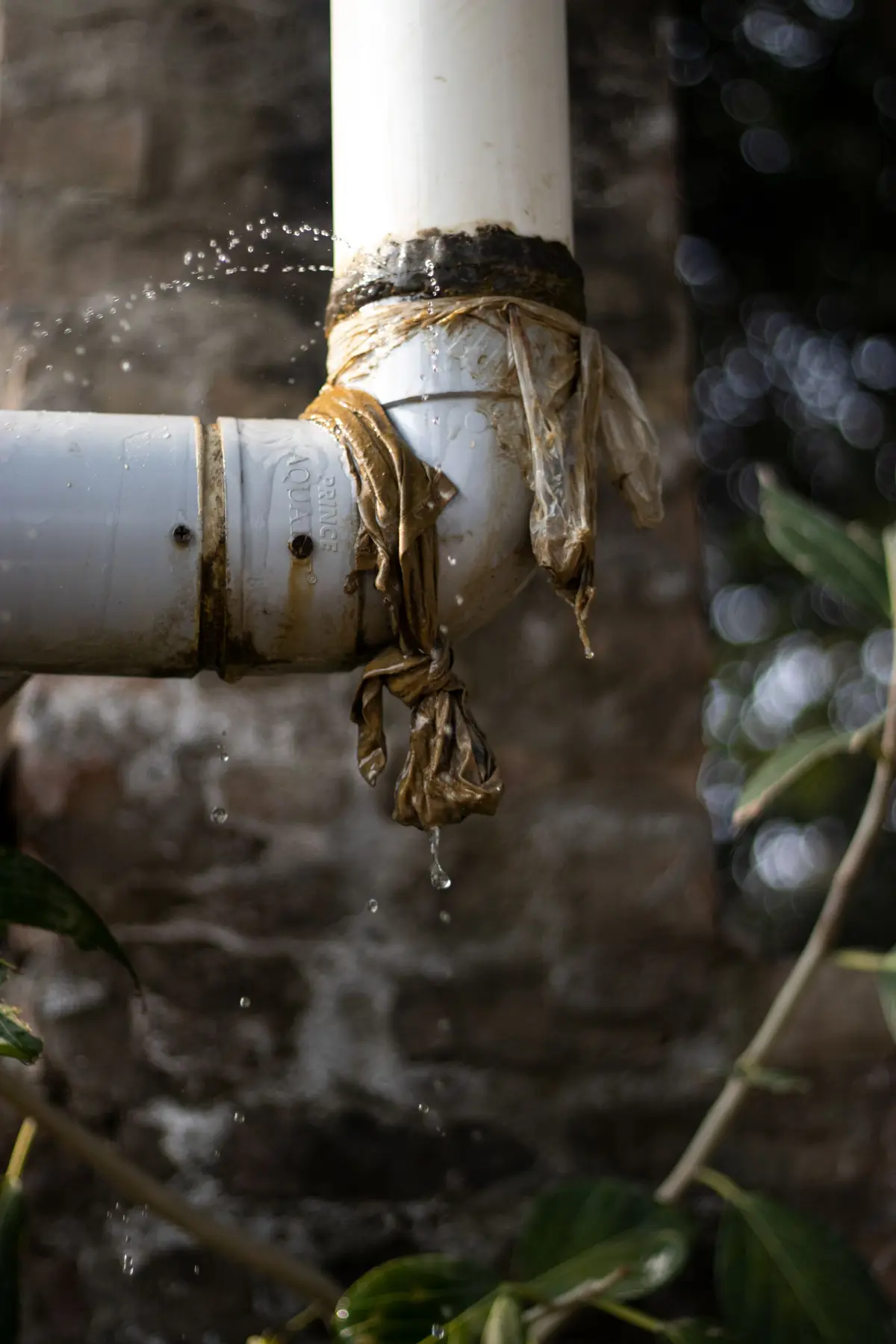
Close-up of a worn plastic pipe with a leak wrapped in clear tape.

Questions people ask before they call

Get a call
Is Soaked SOS a city emergency service?

No. We are an independent guide. The companies that may call you are private restoration companies, not a fire department or a flood office.

Does it cost anything to ask for a call?

No. Sending the form does not hire anyone. If you decide to hire a crew, its fees are between you and that crew, so ask about them on the call.

Can a crew promise the house will be dry by a certain day?

No one on this site can promise that. Drying time depends on how much water there is, what got wet, and whether the source is still running.

What happens after I send the form?

Soaked SOS and one or more water-damage companies that serve your area may call and text you at the number you entered, as the consent box explains. You can tell them to stop at any time.

Do you need my insurance policy number?

No. The form never asks for it, and you should not type it into any field on this site.

Talk to someone about the water in the house

It is free to ask, and you decide what happens after the call.

Get a call